


Current and Voltage Monitoring in Photovoltaic Installations

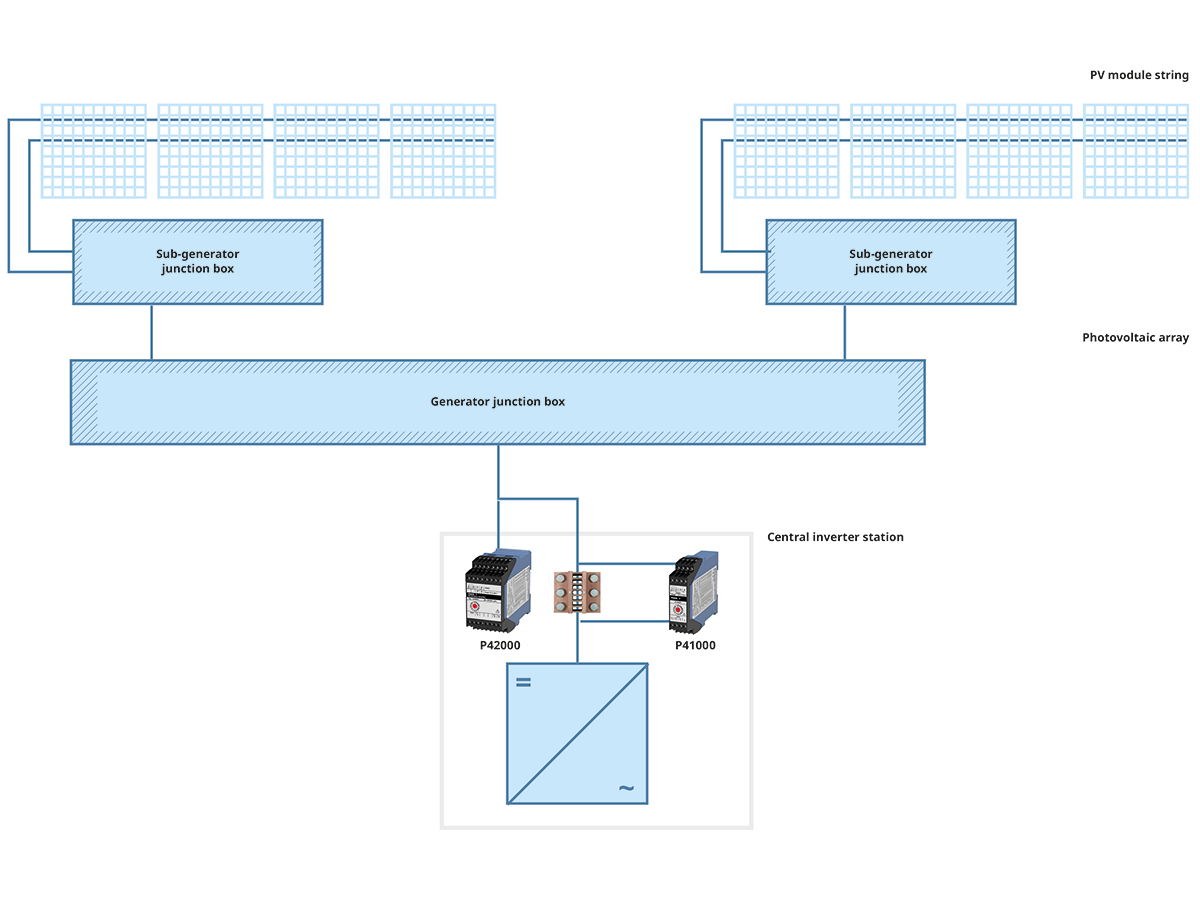
Fewer Decentralized Measuring Points Required in Solar Parks
Solar parks are an essential component of the global energy transition. As a result, their expansion marches on relentlessly. For system operators, the priority is always the efficiency of their solar parks: Achieving higher output and better efficiency while keeping costs low. Transitioning the system voltage from 1,000 V DC to 1,500 V DC appears to be the logical consequence. Operators can achieve both economic and safety advantages by using high quality high-voltage measurement technology in the inverter stations.
Inverters: The Cornerstone of Every Photovoltaic (PV) Installation
Inverters are a key component of every solar park. They convert the direct current of the PV module into alternating current and then feed it into the power grid. Moreover, inverters monitor essential parameters of the installation, such as voltages, currents, and power. This data is indispensable for purposes such as maximum power point tracking (MPPT), which can be used to optimize the performance of individual solar cells. Moreover, the transducers used in the inverter stations detect power drops caused by line interruptions and other faults at an early stage.
Why Knick ?
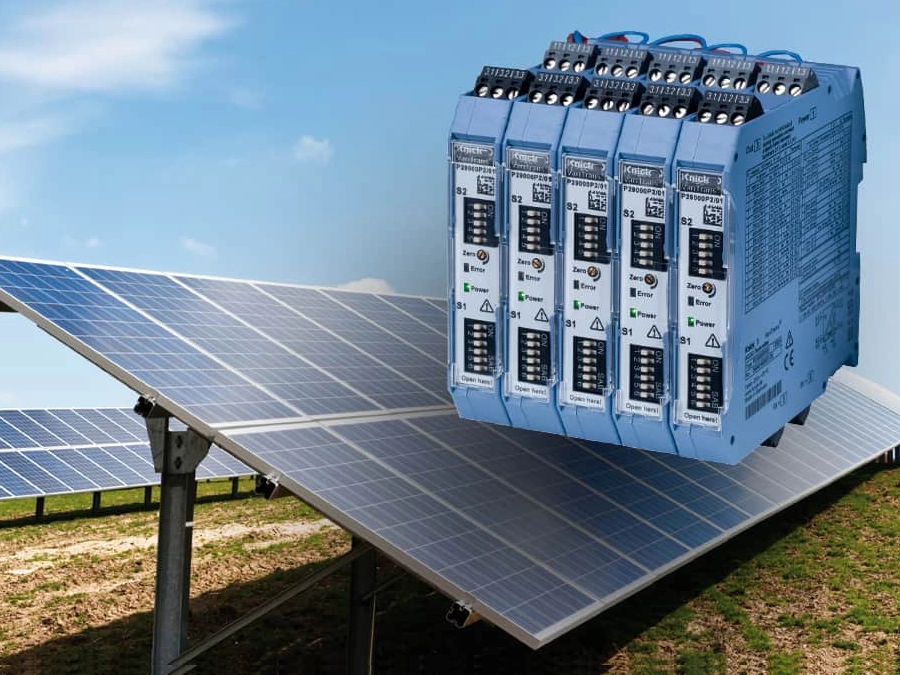
The high voltage transducers of the P40000 family have already demonstrated their reliability in current and voltage monitoring for solar parks. Their reinforced insulation for up to 1,800 V is ideal for PV installations with system voltages of 1,500 V and protects not only downstream control and evaluation systems but also ensures the safety of personnel. Additionally, the product family boasts an exceptionally long mean time between failures (MTBF) of 2,700 years, based on our field data.
Reduction of Decentralized Measuring Points
If system operators rely on precise high voltage transducers in their inverter stations, monitoring can be centralized in many cases. This saves costs and reduces the number of measuring points that were previously needed on each string, which is a series of PV modules connected in series.
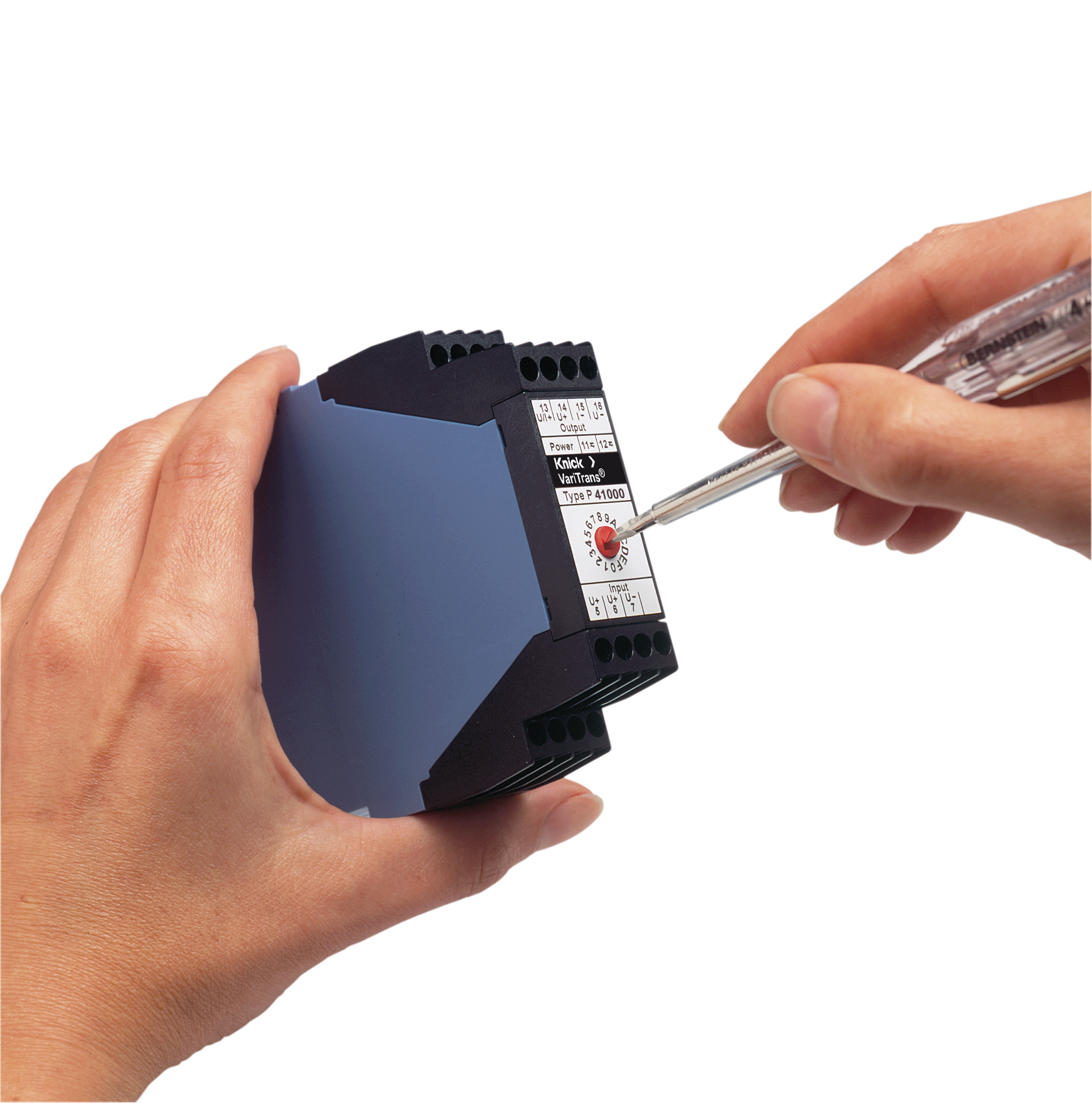
Transducers in the P41000 series monitor currents with a gain error of < 0.1 % and a T90 response time of < 110 μs, transmitting the measured values as a standard signal almost instantaneously to the inverter. This results in an exact total current measurement that enables system operators to detect minor deviations at an early stage and easily localize the reason for the fault in the PV installation.
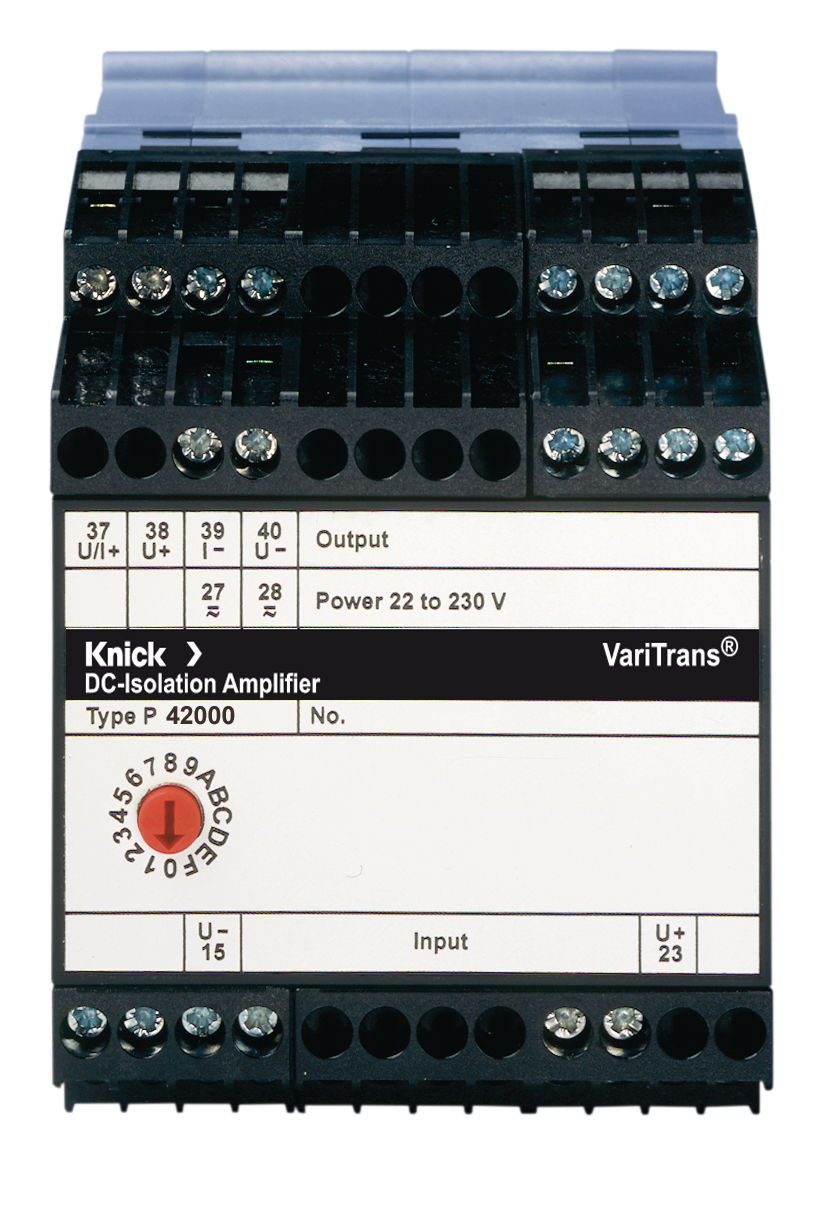
Transducers in the P42000 series have proven themselves in monitoring the (string) voltage. Due to their limited gain error of < 0.3 % and a T90 response time of 110 μs, P42000 devices guarantee precise measured values that facilitate the immediate detection of power losses and potential hazards such as overloads or short circuits.
Matching products
Related Industries and Applications


Latest blog post

May 2026
Interface Technology
Precision Measurement in Fusion Energy Systems

Mar 2026
Interface Technology
The Shift to 800 V DC in AI Data Centers — and Why Precise Measurement Is Critical

Feb 2026
Interface Technology
SIL-compliant speed signal doubling for safety-critical applications

Nov 2025
Interface Technology
The Power Behind Data AI & Data Centers

Nov 2025
Interface Technology
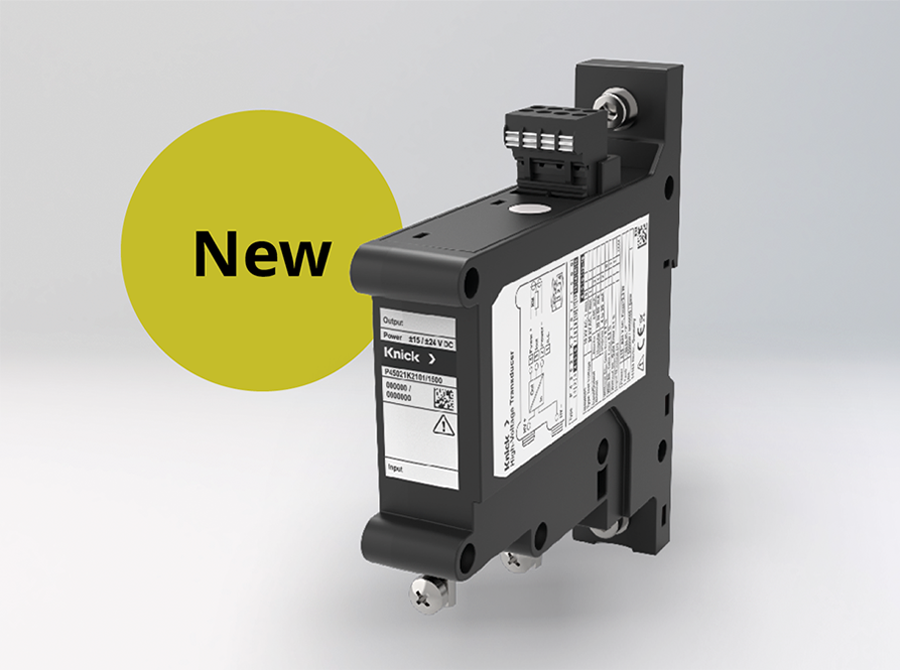
High-Isolation Temperature Measurement at KEMA Labs
Sept 2025
Interface Technology
Functionally safe measurement of high voltages in industrial applications

Sept 2025
Interface Technology
Upgrading Rail Infrastructure with Knick HV-Transducers and Dewesoft DAQ Systems
Jun 2025
Interface Technology
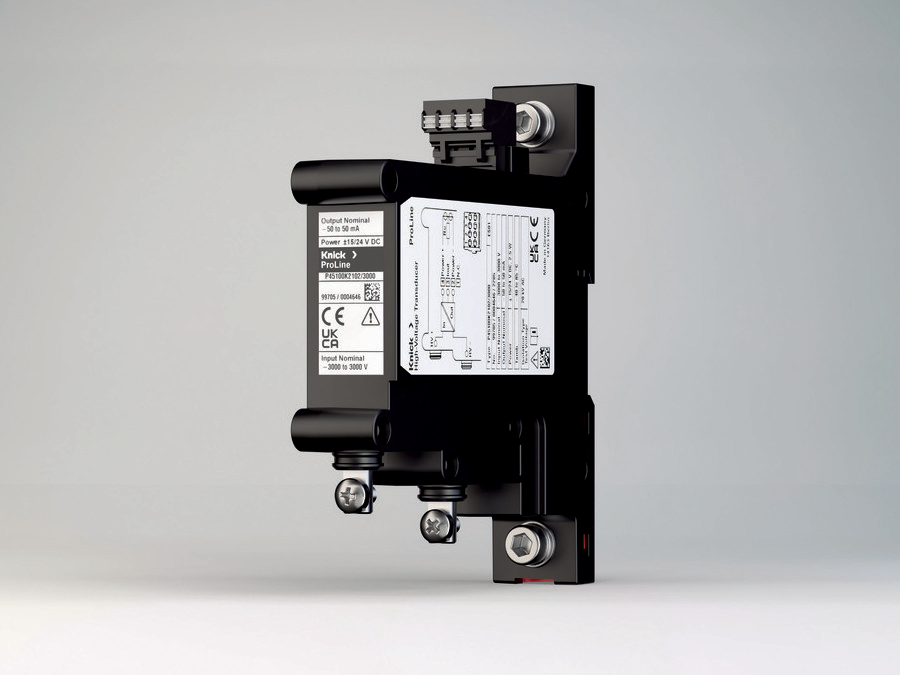
P45000 SIL 2 / SIL 3: Voltage measurements in applications with functional safety
Sept 2024
Interface Technology
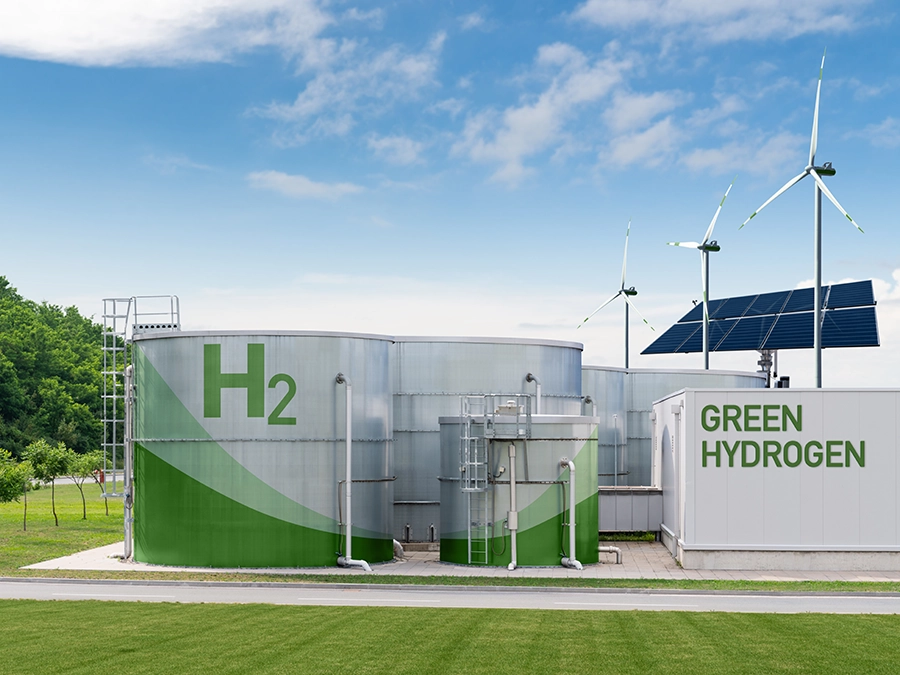
Stack and String Voltage Measurement in Electrolyzers and Fuel Cells
Sept 2024
Interface Technology
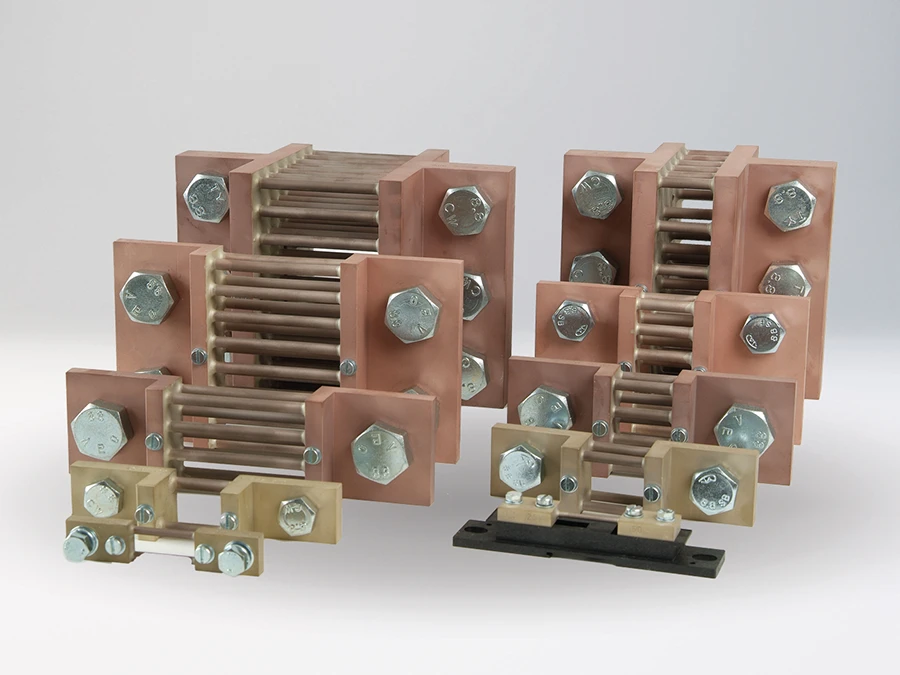
New 30 mV Shunt Resistors for Knick Transducers
Sept 2024
Interface Technology
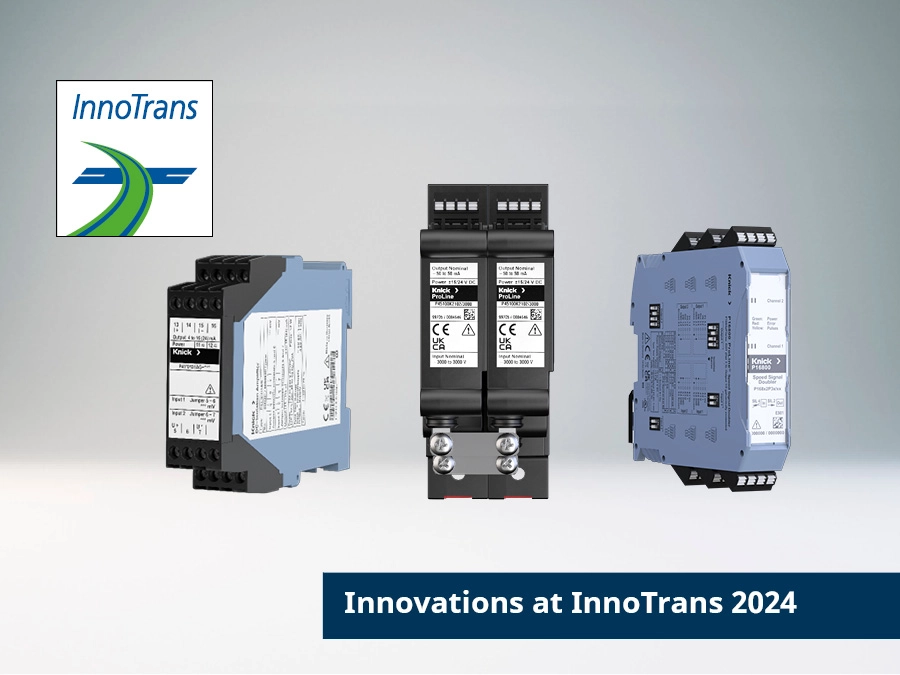
Innovations at InnoTrans 2024 for rolling stock and DC traction power supply

Dec 2023
Company
|Interface Technology
|Process Analytics
Knick Austria - direct customer contact in Austria from 2024

May 2022
Interface Technology
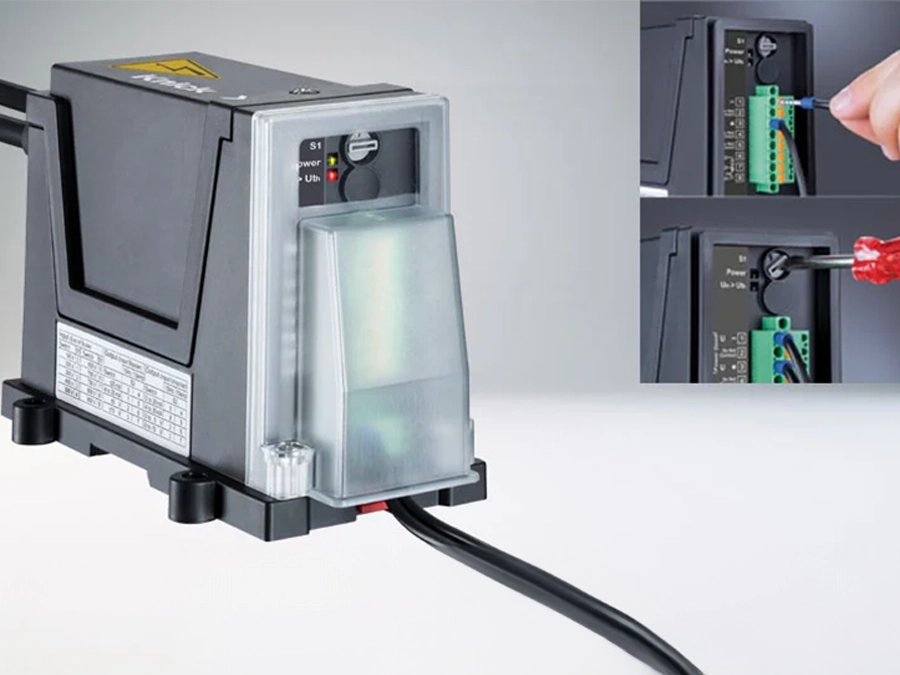
Energy storage - the handshake between renewable energy and electric vehicles
Feb 2022
Interface Technology
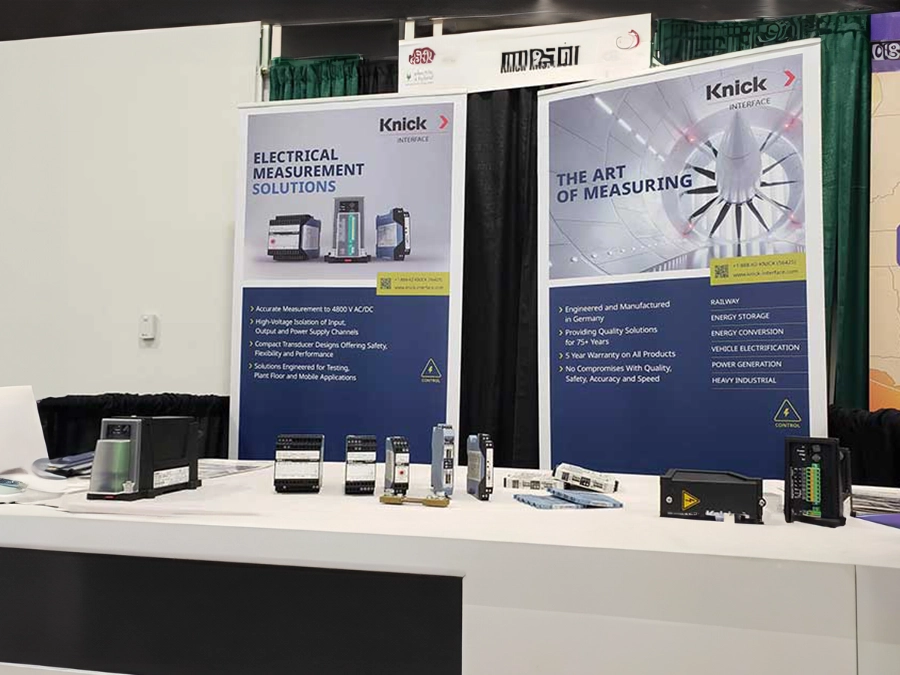
P52000VPD voltage presence detector reliably detects voltages up to 4200 V DC
Sept 2021
Interface Technology
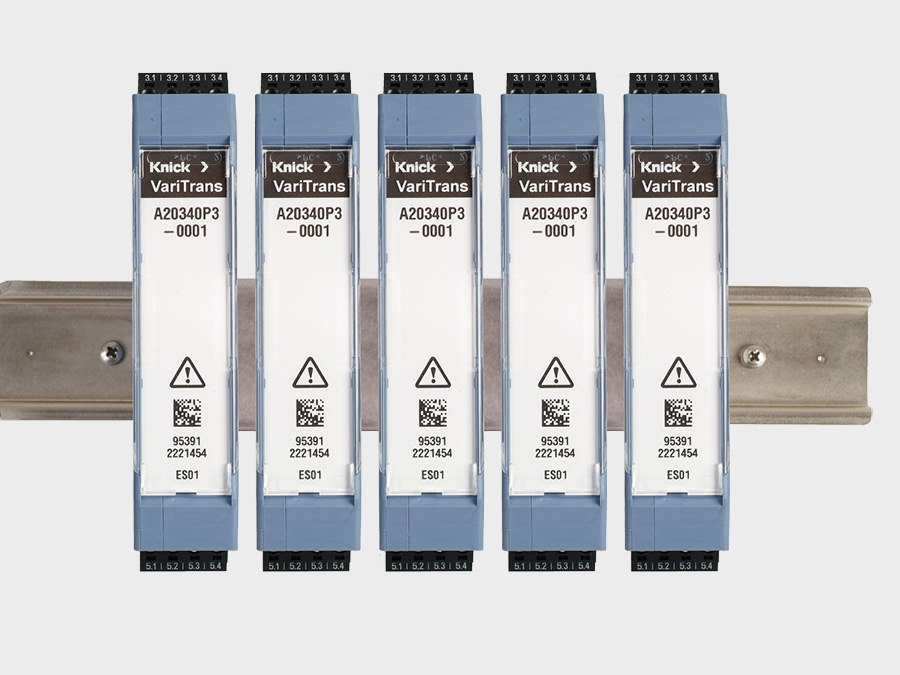
Knick Interface at Battery and Electric & Hybrid Vehicle Technology Expo
May 2021
Interface Technology
Quadruple Standard Signals in Just One Signal Conditioner

Apr 2021
Interface Technology
Electrical measurement and process analytics for hydrogen production
Mar 2021
Interface Technology
Condition Monitoring of High-Voltage Motors
Mar 2021
Interface Technology
Pulse frequency conditioner for speed sensors
Nov 2020
Interface Technology
Worldwide smallest transducer up to ±2200 V
Aug 2020
Interface Technology
Importance of broad-range power supplies for DC electrical measurement
Jul 2020
Interface Technology
Measuring Photovoltaic Degradation
Jun 2020
Interface Technology
Electrical Measurement Solutions: Control from 480 to 4800 Volts
Jun 2020
Interface Technology
Benefits of High Voltage Transducers versus Instrument Transformers
Nov 2019
Interface Technology
Shunt Resistor versus Hall Effect Technology

Mar 2018
Interface Technology
MTBF beyond 3000 years: A snap hook for your plant
Jan 2018
Interface Technology
Knick Products Comply With UL - What Does That Mean?
Nov 2017
Interface Technology
High-voltage transducer offers more safety on railway vehicles
Feb 2017
Interface Technology
True RMS Measurement with P41000TRMS
Feb 2017
Interface Technology