


Refinery Wastewater
Purification, neutralization and reuse - treatment of wastewater is as diverse as its impurities. Knick offers sensors, fittings and measuring devices, measuring technology for every measuring loop.

Application
[Proc] What is produced: Raw material, reaction, product, waste materials, hazardous materials
[App] [location of measuring point] in [installation situation(pipe/tank/reactor) in [process step]. What are the measured values used for; how often is measured

pH Measurement in Contaminated Wastewater
In refineries, the individual process steps (e.g. distillation, cracker, desulfurization) also generate wastewater which has to be treated. The diagram shows a typical wastewater treatment process in a refinery. After separation of the aqueous components from the hydrocarbons, these are further processed under control of pH and oxygen content (bacterial degradation, filter stages). The resulting purified process water can be reused, and the dried sludge is disposed of.
Challenges
- Substances contained in the medium affect the performance of the pH sensors used (sludge, hydrocarbons, heavy metals...)
- Regular cleaning is absolutely necessary
- pH values are between 6-9
- Temperatures up to 30 °C
- Danger zone (Ex)
Why Knick ?
The sensor is automatically cleaned every few hours with 60 °C warm water, manual cleaning is therefore no longer necessary. The sensor only needs to be calibrated weekly. Before installation, the sensor had to be manual cleaned and calibrated every 2-3 days. As a result, the lifetime of the sensor has doubled to more than 12 months.
Headline Crosseling Products H2
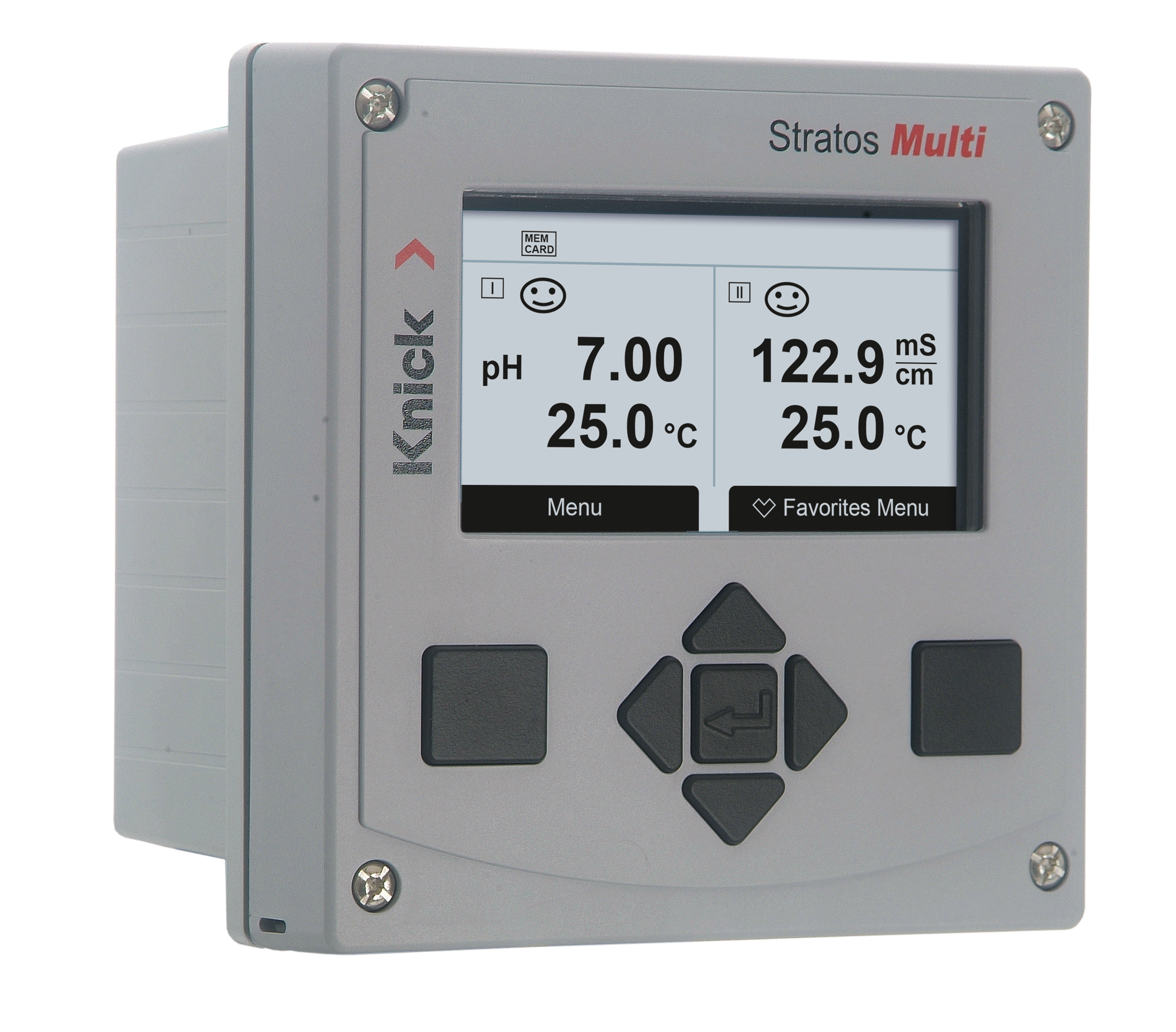
E401X.030
Communication (Sortie numérique): HART
Sorties de courant: 2 sorties

WA131
Homologations: ATEX
Protection contre les explosions: Oui
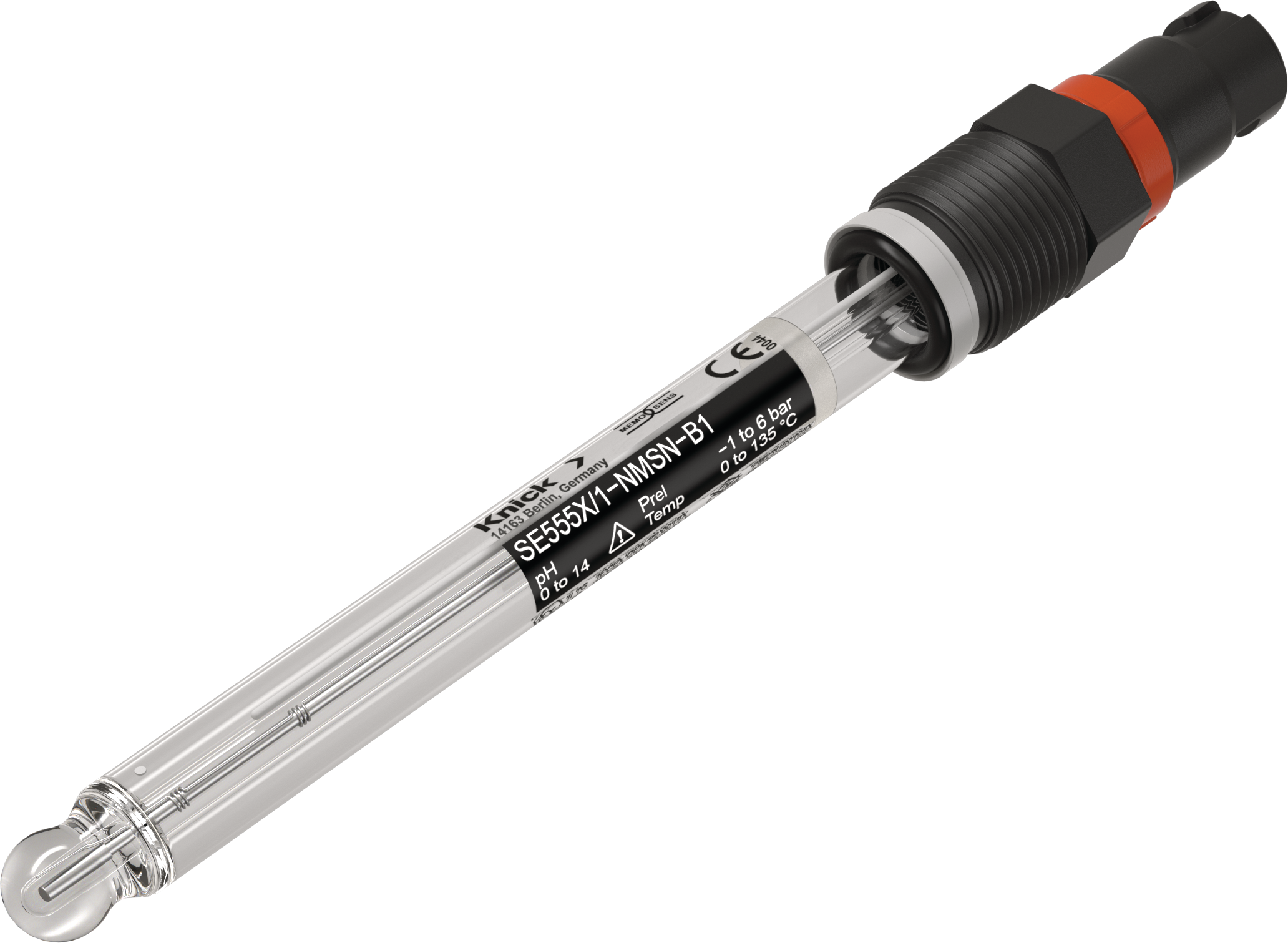
SE555X/2-NMSN-B1
Plage de mesure: pH 0 ... 14
Raccordement process: PG 13,5
SE555X/1-NMSN-B1
Plage de mesure: pH 0 ... 14
Raccordement process: PG 13,5
Related Industries and Applications


Overview of specific applications and product solutions in various fields of power plants.

Blog Articles

sept. 2026
Company
Change of Legal Form to Knick GmbH

sept. 2026
Company
B2Run Berlin Race 2026

sept. 2026
Interface Technology
Let's Meet at InnoTrans 2026!

mai 2026
Interface Technology
Techniques de mesure de précision dans les systèmes d’énergie de fusion

mars 2026
Interface Technology